


What’s brewing in September?
As the new program year gets underway, September is all about starting strong and staying connected—establishing consistent attendance, keeping children safe through active supervision, supporting the whole family, preparing for the unexpected, and making sure staff have the tools and training they need for a successful year.
Let's take a look at what's happening this month and explore timely reminders, helpful resources, best practices, and the latest updates in GoEngage.
Start the Year with a Culture of Safety: Active Supervision & Child Tracking
Platform: Head Start
The beginning of a new program year brings new children, new staff, new classrooms, new routines, and countless transitions throughout each day.
It also makes this an important time to reinforce one of Head Start's most fundamental responsibilities: Knowing where every child is—and ensuring every child is actively supervised—at all times.
Active supervision is more than counting children at the beginning of the day. It is an intentional, continuous approach to keeping children safe in classrooms, on playgrounds, during meals and toileting, on buses, and especially during transitions from one location or staff member to another.
The Head Start Program Performance Standards require programs to establish, train staff on, implement, and enforce health and safety practices that ensure children are kept safe at all times. §1302.47 – Safety Practices specifically requires appropriate supervision of children at all times, along with ongoing training, oversight, correction, and continuous improvement.
Active Supervision: Six Strategies That Help Keep Children SafeThe Office of Head Start identifies six active supervision strategies that programs can incorporate throughout the day: | ||
|---|---|---|
 Set Up the Environment: Arrange classrooms and other environments so staff can easily see, hear, and access children. |  Position Staff: Intentionally position adults so they can observe children and quickly respond when needed. |  Scan and Count: Continuously scan the environment and count children frequently—especially during transitions. |
 Listen: Pay attention not only to what staff can see, but also to sounds—or an unexpected lack of sound—that may indicate a potential concern. |  Anticipate Children's Behavior: Use knowledge of each child's development, abilities, interests, and behaviors to anticipate situations that may require additional supervision. |  Engage and Redirect: Stay actively engaged with children and intervene or redirect when necessary to keep children safe. |
Why Active Supervision Deserves Attention NowA momentary breakdown in supervision can become a serious child safety incident. The Office of Head Start conducts Risk Assessment Notification (RAN) reviews when additional information is needed about a reported significant child health or safety incident. RAN reviews may focus on concerns including inadequate supervision, abuse, neglect, inappropriate conduct, or the unauthorized release of a child. That's why child safety shouldn't depend solely on someone remembering to count. Programs need strong procedures, trained staff, clear accountability, effective monitoring, and systems that help everyone know:
GoEngage & Head Start Resources:
Transitions Are Critical: Count | Confirm | TransferMoving children from one location to another can create opportunities for supervision breakdowns. That's why transitions deserve intentional procedures of their own.
A count tells you how many children you have. Name-to-face confirms you have the right children. A documented transfer helps establish who is responsible for them. | ||


During the session, you'll get a look inside GoEngage and see how it can help agencies simplify everyday workflows, connect information, strengthen reporting and compliance, and bring more of their work together in one place.
Pick the Date That Works for You
We offer multiple Sneak Peek sessions so you can choose the date that works best for your schedule. Each session covers the same information, so you only need to attend one—but you're welcome to join us again anytime.
🕑 All sessions begin at 2:00 PM ET.
📅 CHOOSE YOUR SESSION & REGISTER
September Awareness Spotlight: Starting the Program Year StrongThese awarenesses provide meaningful opportunities to support the Head Start Program Performance Standards (HSPPS) while setting the stage for a successful program year. | |
|---|---|
Attendance Awareness MonthPlatform: Head Start This is an ideal time to establish strong attendance habits, reinforce expectations with families, and identify concerns early in the new program year. | |
 | For young children, consistent attendance means more opportunities to learn, build relationships, establish routines, and fully benefit from the comprehensive services Head Start provides. |
Maintaining and monitoring attendance is also an important part of meeting the requirements outlined in 45 CFR §1302.16 – Attendance, which requires programs to track attendance for each child, promote regular attendance, identify children at risk of excessive absences, address barriers with families, and monitor program-wide attendance. This is a great time to:
Know Your Attendance Numbers: 1 Hour | 10% | 85%Three numbers can help programs remember some of the key attendance requirements in §1302.16:
GoEngage Spotlight: GoEngage helps agencies move beyond simply recording attendance by giving teams the tools they need to establish attendance expectations, identify concerns, engage families, document follow-up, and take action early. With GoEngage, your team can:
Start Strong: Don't wait until an attendance concern becomes a pattern. The beginning of the program year is an important opportunity to establish expectations, build relationships with families, and use early attendance data to identify children who may need additional support. Resources: | |
National Preparedness MonthPlatform: Head Start & CAP Reminder that preparing before an emergency can make a significant difference in how quickly programs, staff, children, families, and communities are able to respond and recover. | |
 | Emergencies can take many forms—from hurricanes, tornadoes, floods, wildfires, extreme temperatures, and power outages to public health emergencies and other unexpected events. For organizations serving children and families, preparedness isn't only about having a plan. It's about knowing how you will communicate, keep people safe, maintain critical services, and help families access support when they need it most. |
For Head Start programs, emergency preparedness is also an important part of meeting the requirements outlined in §1302.47 – Safety Practices. Programs must have all-hazards emergency management/disaster preparedness and response plans and ensure staff are trained on emergency and disaster preparedness procedures. This is a great time to:
Preparedness Is More Than a Plan: Prepare | Respond | RecoverEffective emergency management doesn't end when the emergency begins. Agencies should be prepared for all three stages:
GoEngage Spotlight: When an emergency happens, having accurate information and reliable ways to communicate can make all the difference. GoEngage gives Head Start and Community Action agencies tools that can help teams stay connected, access critical information, coordinate services, and support families before, during, and after an emergency. With GoEngage, your team can:
Don't Wait for an Emergency: Preparedness works best when plans, information, communication methods, and community partnerships are established before they're needed. Use National Preparedness Month as an opportunity to ask: If an emergency happened tomorrow, would our team know what to do—and would we have the information we need to support our families? Resources: | |
National Kinship Care MonthPlatform: Head Start & Community Action September is National Kinship Care Month, a time to recognize grandparents, relatives, and other kin who step in to provide children with safe, stable, and nurturing homes when their parents are unable to care for them. | |
 | Stepping into the role of caregiver—sometimes unexpectedly—can create new challenges for a household. Kinship families may need help navigating financial assistance, food and nutrition programs, housing, childcare, healthcare, legal services, transportation, education, behavioral health services, and other community resources. |
For Head Start and Community Action agencies, National Kinship Care Month is an opportunity to make sure these families aren't navigating those challenges alone. This is a great time to:
Look Beyond the Caregiving Arrangement: Identify | Connect | Follow UpSupporting kinship families often requires more than identifying who is caring for the child.
GoEngage Spotlight: GoEngage helps agencies see and support the whole family, giving staff a more complete picture of household members, needs, services, referrals, and follow-up. With GoEngage, your team can:
Think Whole Family: A child may be enrolled in Head Start, but the grandparent raising that child may need utility assistance. A relative caregiver may need help accessing food benefits, transportation, or healthcare. Another household member may qualify for an employment or education program. Looking beyond a single program or service can help agencies identify opportunities to strengthen the entire family. Resources: | |
National Recovery MonthPlatform: Head Start & Community Action This is a time to celebrate people in recovery, recognize the families and communities that support them, and increase awareness that recovery is possible. | |
 | For Head Start and Community Action agencies, this month is also an important reminder of the role trusted community organizations can play in supporting individuals and families affected by substance use. |
Substance use can affect many aspects of family life—from health, employment, housing, and financial stability to relationships and a child's overall well-being. Families may also face stigma or other barriers that make it more difficult to ask for or access help. Head Start and Community Action professionals don't have to be treatment providers to make a difference. By building trusted relationships, listening without judgment, recognizing needs, connecting families with appropriate community resources, and following up, agencies can be an important part of a family's network of support. This is a great time to:
Supporting Recovery: Listen | Connect | SupportAgencies don't have to provide treatment to help create an environment where recovery is supported.
GoEngage Spotlight: GoEngage helps to support families through coordinated services, referrals, follow-up, and a more complete understanding of family needs. With GoEngage, your team can:
Remember the Whole Family: Recovery may be one part of a much larger family story. When agencies look beyond a single need or referral, they may uncover opportunities to support housing stability, employment, nutrition, transportation, childcare, health, education, parenting, and other areas that help strengthen the entire household. Resources: | |
Suicide Prevention Awareness MonthPlatform: Head Start & Community Action This is a great time to raise awareness about mental health, reduce stigma, promote hope, and remind individuals and families that asking for help is a sign of strength—and support is available. | |
 | Head Start and Community Action agencies work with individuals and families during many different seasons of life. Financial hardship, housing instability, unemployment, family changes, health concerns, trauma, substance use, isolation, and other challenges can place significant stress on individuals and households. |
Agency staff don't have to be mental health professionals to make a difference. Building trusted relationships, creating an environment where people feel comfortable asking for help, knowing where mental health resources are available, and helping individuals connect with appropriate support can all play an important role. For Head Start programs, mental health and well-being are also an important part of the Head Start Program Performance Standards. §1302.45 – Supports for Mental Health and Well-Being calls for a program-wide approach to promoting mental health and social and emotional well-being, supporting adult mental health and wellness, providing ongoing mental health consultation, and building community partnerships that facilitate access to additional mental health resources and services. This is a great time to:
Be Prepared to Help: Recognize | Connect | Follow UpSupporting mental health doesn't mean staff have to diagnose or treat mental health conditions. It means knowing how to respond when someone may need additional support.
GoEngage Spotlight: GoEngage helps agencies coordinate services and support families by bringing family information, identified needs, referrals, follow-up, and communication together in one place. With GoEngage, your team can:
Support the Whole Family: Mental health doesn't exist separately from the rest of a family's circumstances. A family seeking mental health support may also be experiencing housing instability, food insecurity, unemployment, transportation challenges, health concerns, or other sources of stress. Looking at the whole family can help agencies identify additional ways to strengthen stability and well-being. Know Where to Find Help: The 988 Suicide & Crisis Lifeline provides free and confidential support 24 hours a day for people experiencing emotional distress or a mental health, suicide, or substance use crisis. Agencies should also maintain information about local mental health and crisis resources so staff know where to connect individuals and families when help is needed. Resources: | |
Child Passenger Safety Week – September 20–26Platform: Head Start & Community Action September 20–26 is Child Passenger Safety Week, an opportunity to help families make sure children are traveling safely every time they get in a vehicle. | |
 | Choosing the right car seat is only part of child passenger safety. A child's age, height, and weight determine the appropriate type of restraint, and car seats and booster seats must also be installed and used correctly to provide the protection they are designed to offer. |
For Head Start and Community Action agencies, Child Passenger Safety Week is a great opportunity to share trusted safety information with families, connect caregivers with local car seat resources, and consider whether transportation challenges are creating barriers to accessing programs and services. For Head Start programs that provide transportation services, §1303.72 – Vehicle Operation includes requirements designed to help ensure children are transported safely, including the use of appropriate child restraint systems and procedures to ensure children are safely boarded, transported, and accounted for. This is a great time to:
Buckle Up Safely: Select | Install | CheckChild passenger safety starts with using the right restraint—and using it correctly every trip.
GoEngage Spotlight: GoEngage helps Head Start and Community Action agencies keep families informed, document important transportation information, and identify transportation needs that may affect a family's ability to participate in programs and services. With GoEngage, your team can:
Transportation Can Be a Family Need: A conversation about child passenger safety may uncover a larger challenge. A family may not have an appropriate car seat, may not have reliable transportation, or may be missing appointments, services, work, or program days because transportation isn't consistently available. Identifying the underlying need gives Head Start and Community Action agencies an opportunity to connect the family with additional support. Share With Families: Encourage parents and caregivers to use NHTSA's car seat resources to learn which type of seat is appropriate for their child, find a car seat inspection location, or locate a Certified Child Passenger Safety Technician in their community. Resources: | |
GoEngage: More Than SoftwareThe best outcomes happen when technology, people, and processes work together. Whether you're preparing for a federal review, strengthening family engagement, improving safety practices, or looking for more efficient workflows, our team is here to help you get the most out of GoEngage. Already using GoEngage?Our Training and Consulting teams can help you:
➡️ Request Training Information➡️ Request Consulting Information Training@GoEngage.app | Consulting@GoEngage.app (800) 473-4780 Not using GoEngage?See how an all-in-one Head Start data management solution can help your program reduce administrative burden, strengthen compliance, and give your team more time to focus on what matters most—children and families. ➡️ Request a Personalized Demo | Sales@GoEngage.app (800) 473-4780 | |
 Save the Date: GoEngage Connect 2028📅 Week of February 28, 2028 📍 San Antonio, Texas GoEngage Connect is designed for Head Start leaders who want practical strategies, meaningful networking opportunities, hands-on learning, and direct access to the GoEngage team. From compliance and reporting to family engagement, ERSEA, education, health, and operational best practices — Connect is all about helping agencies learn from one another and grow together. More details, registration information, and session announcements will be shared in the future, but we wanted our GoEngage community to be the first to know. 👉 Join the interest list to receive future updates, announcements, and early registration details. We can’t wait to see you again in 2028! | |
Cross-Program Collaboration: Better Together | |
|---|---|
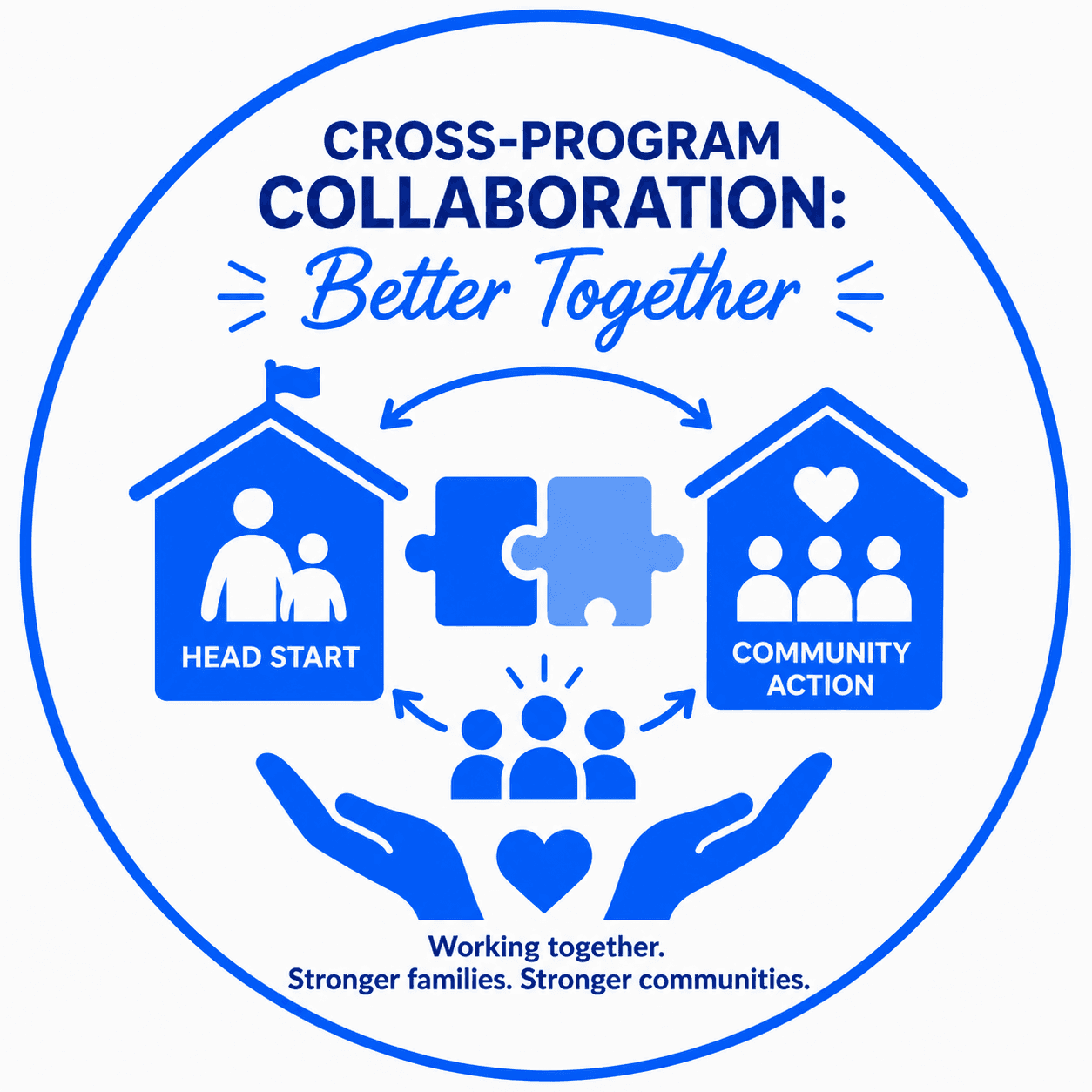 | Many organizations operate both Head Start and Community Action programs. GoEngage makes it easier to:
When departments work together, families receive better support. |
GoEngage Success ServicesPlatform: Head Start & CAP Maximize your investment in GoEngageYour GoEngage subscription is just the beginning. Our Success Services are designed to help your agency maximize its investment, strengthen program operations, and build confidence every step of the way.
| |
We're Here When It Matters MostAt GoEngage, our commitment to your agency extends far beyond software. Whether you're preparing for a federal review or navigating Designation Renewal System (DRS) status, our team is here to provide personalized guidance and support when you need it most. | |
Designation Renewal System (DRS) SupportPlatform: Head Start Receiving a Designation Renewal System (DRS) designation can place significant demands on your leadership team. Between documentation requests, reporting requirements, program improvement efforts, and ongoing operations, it can be difficult to know where to begin. | Review Week Priority SupportPlatform: Head Start Federal reviews are important—and they can be stressful. That's why every GoEngage subscription includes Review Week Priority Support at no additional cost. Simply let us know when your review is scheduled, and we'll make every effort to prioritize your agency during your review week. |
Our priority is your success From annual reporting and federal reviews to DRS support and ongoing program optimization, we're committed to helping your agency succeed every step of the way. | |
Resource Drop | ||
|---|---|---|
 |  |  |
 |  |  |
Customer Stories | ||
 |  |  |
Not Using GoEngage? We'd love to show you around.
Clearer data, faster follow-ups, and less time tracking things manually — GoEngage helps your team stay focused on what matters most: serving children and families.
💙 Here for You All Year Long
September may bring new classrooms, new families, new staff, and new priorities—but you don't have to navigate the program year alone.
Each month, we'll continue sharing practical tips, best practices, GoEngage updates, training opportunities, and resources designed to help your team work smarter, stay ahead of requirements, and make the most of your data.
Whether your agency serves Head Start, Community Action, or both, we're grateful to be part of the work you do every day.
Here's to a strong start and an even stronger year ahead.
See you in October!
— The GoEngage Team