One Platform, Dozens of Grants: How a Vermont Community Action Agency Is Making Its Data Work Harder
With approximately 3,000 families, three rural counties, and dozens of grants to manage, flexibility isn't a nice-to-have. It's essential.
Community Action Agencies rarely have the luxury of managing one program, one funding source, or one set of reporting requirements.
Housing assistance may require one set of data. Energy programs require another. Family support, financial coaching, community justice, youth programs, and CSBG each bring their own expectations.
For Robin Kristoff, Data and Strategy Manager at Northeast Kingdom Community Action, that complexity is part of everyday life.
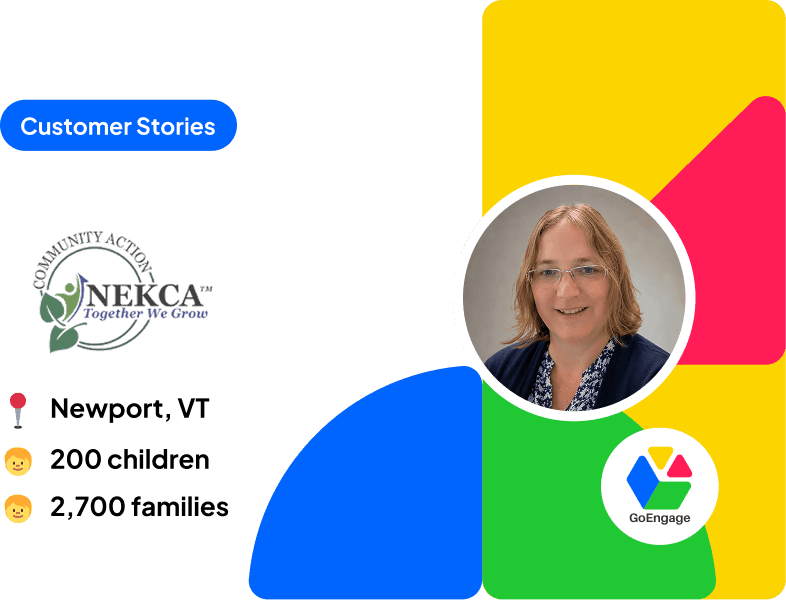
Her agency serves approximately 3,000 families and 200 children across three counties in what she describes as the most rural corner of Vermont.
And on the Community Action side alone, the agency manages somewhere in the neighborhood of 70 to 80 grants. That's a lot of programs. And a lot of data.
Robin Kristoff, Data and Strategy Manager
For Robin Kristoff, Data and Strategy Manager at Northeast Kingdom Community Action, that complexity is part of everyday life.
Her agency serves approximately 3,000 families and 200 children across three counties in what she describes as the most rural corner of Vermont.
And on the Community Action side alone, the agency manages somewhere in the neighborhood of 70 to 80 grants. That's a lot of programs. And a lot of data.
Robin Kristoff, Data and Strategy Manager
For Robin Kristoff, Data and Strategy Manager at Northeast Kingdom Community Action, that complexity is part of everyday life.
Her agency serves approximately 3,000 families and 200 children across three counties in what she describes as the most rural corner of Vermont.
And on the Community Action side alone, the agency manages somewhere in the neighborhood of 70 to 80 grants. That's a lot of programs. And a lot of data.
Robin Kristoff, Data and Strategy Manager
For Robin Kristoff, Data and Strategy Manager at Northeast Kingdom Community Action, that complexity is part of everyday life.
Her agency serves approximately 3,000 families and 200 children across three counties in what she describes as the most rural corner of Vermont.
And on the Community Action side alone, the agency manages somewhere in the neighborhood of 70 to 80 grants. That's a lot of programs. And a lot of data.
Robin Kristoff, Data and Strategy Manager
Different Grants. Different Questions. One Centralized Database.
Robin manages much of the agency's data for the Community Action side, with GoEngage serving as its centralized database.
Her work extends well beyond CSBG reporting. Program teams rely on her to help provide data for their individual grant requirements, while leadership uses that information to support planning and decision-making. The challenge is that those grants don't all ask the same questions.
The agency manages programs and funding related to areas such as:
Crisis fuel and energy assistance
Housing assistance
Financial coaching
Benefit assistance
Peer supportive housing
Community and restorative justice
Youth programs
Family supportive housing
Parent and child services
Digital access
CSBG
Private and foundation-funded initiatives
Each may require different information to be collected, monitored, and reported.
For Robin, that's where one characteristic of GoEngage stands out.
“One of my favorite things about GoEngage is that it's so customizable.”
She describes the CAP side of GoEngage as “pliable” and “moldable”—giving her the ability to tailor the system around what different grants require the agency to track.
That flexibility matters when one centralized system has to support programs that can look very different from one another.
“One of my favorite things about GoEngage is that it's so customizable.”
Turning Data Into the Reports Funders Need
Ask Robin which GoEngage feature she can't live without, and her answer comes quickly: Data Navigator.
With dozens of grants carrying different reporting requirements, she frequently needs to turn program data into very specific answers. For many of the agency's newer grants, Data Navigator allows her to build reports around exactly what a funder needs.
Instead of every new funding opportunity automatically creating another disconnected tracking process, the goal is
increasingly to capture the information in GoEngage and be able to retrieve it when it's needed.
Robin has a simple philosophy she shares with staff:
If we're putting information in, we should be able to get it back out.
Whether the accountability measures come from state, federal, private, or foundation funders, Robin says the agency can increasingly answer those questions with its GoEngage data.
Ask Robin which GoEngage feature she can't live without, and her answer comes quickly: Data Navigator.
With dozens of grants carrying different reporting requirements, she frequently needs to turn program data into very specific answers. For many of the agency's newer grants, Data Navigator allows her to build reports around exactly what a funder needs.
Instead of every new funding opportunity automatically creating another disconnected tracking process, the goal is
increasingly to capture the information in GoEngage and be able to retrieve it when it's needed.
Robin has a simple philosophy she shares with staff:
If we're putting information in, we should be able to get it back out.
Whether the accountability measures come from state, federal, private, or foundation funders, Robin says the agency can increasingly answer those questions with its GoEngage data.
Ask Robin which GoEngage feature she can't live without, and her answer comes quickly: Data Navigator.
With dozens of grants carrying different reporting requirements, she frequently needs to turn program data into very specific answers. For many of the agency's newer grants, Data Navigator allows her to build reports around exactly what a funder needs.
Instead of every new funding opportunity automatically creating another disconnected tracking process, the goal is
increasingly to capture the information in GoEngage and be able to retrieve it when it's needed.
Robin has a simple philosophy she shares with staff:
If we're putting information in, we should be able to get it back out.
Whether the accountability measures come from state, federal, private, or foundation funders, Robin says the agency can increasingly answer those questions with its GoEngage data.
Ask Robin which GoEngage feature she can't live without, and her answer comes quickly: Data Navigator.
With dozens of grants carrying different reporting requirements, she frequently needs to turn program data into very specific answers. For many of the agency's newer grants, Data Navigator allows her to build reports around exactly what a funder needs.
Instead of every new funding opportunity automatically creating another disconnected tracking process, the goal is
increasingly to capture the information in GoEngage and be able to retrieve it when it's needed.
Robin has a simple philosophy she shares with staff:
If we're putting information in, we should be able to get it back out.
Whether the accountability measures come from state, federal, private, or foundation funders, Robin says the agency can increasingly answer those questions with its GoEngage data.
Fewer Spreadsheets. More Connected Workflows.
Like many organizations, the agency hasn't eliminated every spreadsheet or workaround. But GoEngage has helped reduce the need for them.
As staff have become more comfortable with the platform and the agency has refined how GoEngage is configured, Robin has seen workflows become simpler. Staff don't have to keep track of as much information separately in spreadsheets.
Internal referrals are also being used more frequently across the Community Action side, helping programs connect families with additional services within the organization.
Messaging and staff approval workflows have also become useful parts of the agency's processes.
And the agency continues finding new opportunities to move previously manual processes into GoEngage.
One example is goal tracking. The agency has begun incorporating GoEngage's goal functionality into housing stability plans. Robin says staff have responded positively, with some noting that they prefer the system to the previous paper-based method of tracking goals.
Meeting Families Where They Are
Technology isn't only helping behind the scenes.
During the agency's crisis fuel season, staff used electronic signature capabilities to collect required signatures from families remotely. For families living in rural Vermont, that could make a meaningful difference. Some participants may have limited transportation. Others may be reluctant or unable to travel during icy winter conditions.
Technology isn't only helping behind the scenes.
During the agency's crisis fuel season, staff used electronic signature capabilities to collect required signatures from families remotely. For families living in rural Vermont, that could make a meaningful difference. Some participants may have limited transportation. Others may be reluctant or unable to travel during icy winter conditions.
Technology isn't only helping behind the scenes.
During the agency's crisis fuel season, staff used electronic signature capabilities to collect required signatures from families remotely. For families living in rural Vermont, that could make a meaningful difference. Some participants may have limited transportation. Others may be reluctant or unable to travel during icy winter conditions.
Technology isn't only helping behind the scenes.
During the agency's crisis fuel season, staff used electronic signature capabilities to collect required signatures from families remotely. For families living in rural Vermont, that could make a meaningful difference. Some participants may have limited transportation. Others may be reluctant or unable to travel during icy winter conditions.
Being able to request signatures electronically helped staff complete necessary documentation without requiring every family to make an in-person trip. It's a relatively simple technology feature. But in a rural community, simple changes can remove very real barriers.
Adoption Doesn't Happen Overnight
Robin is also candid about something every organization implementing technology should recognize:
Learning a new system takes time.
When she joined the agency approximately three years ago, part of her role was to learn GoEngage deeply, understand how it could support the agency's programs, and help teach others how to use it effectively.
Some new employees initially find the number of options overwhelming.
But that often changes once they begin using the system and learn how to narrow the platform to what they actually need.
Recently, one new hire had an especially positive reaction. The employee told Robin that GoEngage was much easier than the system she had used previously and described the design as user-friendly.
Robin says that overall, staff has continued to warm up to the platform as their understanding of its functionality has grown.
That's an important reminder for any agency adopting a centralized data system: Technology adoption isn't a one-time event. It's an ongoing process of learning, configuring, refining, and improving.
Robin is also candid about something every organization implementing technology should recognize:
Learning a new system takes time.
When she joined the agency approximately three years ago, part of her role was to learn GoEngage deeply, understand how it could support the agency's programs, and help teach others how to use it effectively.
Some new employees initially find the number of options overwhelming.
But that often changes once they begin using the system and learn how to narrow the platform to what they actually need.
Recently, one new hire had an especially positive reaction. The employee told Robin that GoEngage was much easier than the system she had used previously and described the design as user-friendly.
Robin says that overall, staff has continued to warm up to the platform as their understanding of its functionality has grown.
That's an important reminder for any agency adopting a centralized data system: Technology adoption isn't a one-time event. It's an ongoing process of learning, configuring, refining, and improving.
Robin is also candid about something every organization implementing technology should recognize:
Learning a new system takes time.
When she joined the agency approximately three years ago, part of her role was to learn GoEngage deeply, understand how it could support the agency's programs, and help teach others how to use it effectively.
Some new employees initially find the number of options overwhelming.
But that often changes once they begin using the system and learn how to narrow the platform to what they actually need.
Recently, one new hire had an especially positive reaction. The employee told Robin that GoEngage was much easier than the system she had used previously and described the design as user-friendly.
Robin says that overall, staff has continued to warm up to the platform as their understanding of its functionality has grown.
That's an important reminder for any agency adopting a centralized data system: Technology adoption isn't a one-time event. It's an ongoing process of learning, configuring, refining, and improving.
Robin is also candid about something every organization implementing technology should recognize:
Learning a new system takes time.
When she joined the agency approximately three years ago, part of her role was to learn GoEngage deeply, understand how it could support the agency's programs, and help teach others how to use it effectively.
Some new employees initially find the number of options overwhelming.
But that often changes once they begin using the system and learn how to narrow the platform to what they actually need.
Recently, one new hire had an especially positive reaction. The employee told Robin that GoEngage was much easier than the system she had used previously and described the design as user-friendly.
Robin says that overall, staff has continued to warm up to the platform as their understanding of its functionality has grown.
That's an important reminder for any agency adopting a centralized data system: Technology adoption isn't a one-time event. It's an ongoing process of learning, configuring, refining, and improving.
When Something Doesn't Work, the Conversation Matters
One of the strongest parts of Robin's experience hasn't simply been what GoEngage could do on day one. It's what has happened when the agency needed something to work differently.
During a previous crisis fuel season, Robin realized that customized application fields weren't reporting in the way she needed for state reporting.
It created a stressful situation. She reached out to GoEngage for help. The [GoEngage] team worked with her, and additional filtering functionality helped address the problem and gave her greater control over the information she needed.
For Robin, that responsiveness matters. She appreciates that GoEngage listens to feedback and continues making adjustments to the software based on customer needs.
She also highlighted the responsiveness of the Customer Success and Support teams, noting that when something genuinely isn't working, the team is quick to jump in and help.
Robin getting help from GoEngage support team
It created a stressful situation. She reached out to GoEngage for help. The [GoEngage] team worked with her, and additional filtering functionality helped address the problem and gave her greater control over the information she needed.
For Robin, that responsiveness matters. She appreciates that GoEngage listens to feedback and continues making adjustments to the software based on customer needs.
She also highlighted the responsiveness of the Customer Success and Support teams, noting that when something genuinely isn't working, the team is quick to jump in and help.
Robin getting help from GoEngage support team
It created a stressful situation. She reached out to GoEngage for help. The [GoEngage] team worked with her, and additional filtering functionality helped address the problem and gave her greater control over the information she needed.
For Robin, that responsiveness matters. She appreciates that GoEngage listens to feedback and continues making adjustments to the software based on customer needs.
She also highlighted the responsiveness of the Customer Success and Support teams, noting that when something genuinely isn't working, the team is quick to jump in and help.
Robin getting help from GoEngage support team
It created a stressful situation. She reached out to GoEngage for help. The [GoEngage] team worked with her, and additional filtering functionality helped address the problem and gave her greater control over the information she needed.
For Robin, that responsiveness matters. She appreciates that GoEngage listens to feedback and continues making adjustments to the software based on customer needs.
She also highlighted the responsiveness of the Customer Success and Support teams, noting that when something genuinely isn't working, the team is quick to jump in and help.
Robin getting help from GoEngage support team
“Overall, [it's] a very good experience.”
Just as importantly, she appreciates that the platform continues growing alongside its customers.
The Power of a System That Can Adapt
Community Action is complicated by design. Agencies respond to the needs of their communities, which means their programs, funding sources, partnerships, and reporting requirements continually evolve. A system supporting that work has to be able to evolve, too. Community Action data management software has to be flexible enough to evolve alongside that work—not force every program or funding source into the same mold.
For Robin's agency, the value of GoEngage isn't that every program looks the same inside the system. It's almost the opposite. The value is having a centralized platform flexible enough to support programs that don't look the same.
A housing grant can have one set of requirements.
An energy assistance program can have another.
CSBG can have another.
A foundation-funded initiative can have another.
And as the agency continues learning, refining its configuration, and expanding how staff use the platform, more of that information can live in one place and become useful across the organization. For an agency serving thousands of families and managing dozens of funding streams, that's the real goal. Not simply collecting more data.
Making the data they already collect work harder—for staff, for funders, for leadership, and ultimately, for the communities they serve.
What Could Your Data Do If More of It Worked Together?
Managing dozens of grants doesn’t have to mean managing dozens of disconnected processes. GoEngage helps Community Action Agencies bring programs, services, outcomes, documents, and reporting together in one flexible platform—so your team can spend less time managing spreadsheets and disconnected data and more time putting that information to work.
Whether you’re supporting CSBG, housing, energy assistance, family services, financial coaching, or other community programs, see how GoEngage can adapt to the way your agency works.
Ready to see what one connected system could mean for your agency?