


Recruitment Is Hard. Retention Is Harder. Technology Can Help.
Why reducing administrative burden, improving communication, and simplifying compliance may be one of the most important workforce strategies in Head Start today.
The Workforce Challenge in Head Start Is Real
Across the country, Head Start and Early Head Start programs continue to face significant workforce challenges. Recruitment remains difficult, turnover remains high in many regions, and leaders are being asked to do more with fewer people.
Recent workforce findings from the National Early Care & Education Workforce Center continue to highlight the pressures Head Start programs are facing—from staffing shortages and burnout to increasing operational complexity and growing compliance expectations. In its recent publication, Five Things to Know About Recruitment and Retention in Head Start in 2026, the organization emphasized that retention depends heavily on day-to-day working conditions and whether staff feel supported in their roles.
And while conversations often focus on compensation—and rightly so—many agencies are also asking another important question:
How can we make the day-to-day work experience better for the staff we already have?
Because retention is not only about salaries and staffing levels.
It’s also about systems.

Burnout Often Starts with Operational Overload
In many Head Start programs, staff are balancing:
Multiple systems and logins
Duplicate data entry
Paper-based processes
Constant monitoring preparation
Manual follow-up tasks
Communication gaps between teams
Increasing documentation requirements
Last-minute “fire drill” situations
Over time, these operational frustrations add up.
Even highly committed staff can become overwhelmed when too much of their day is spent chasing paperwork, searching for information, or trying to stay ahead of compliance deadlines.
And leadership teams feel it too.
Program leaders are often forced into reactive management—scrambling to identify missing documentation, prepare for reviews, respond to attendance concerns, or monitor staff requirements across disconnected systems.
Technology Should Reduce Work — Not Create More of It
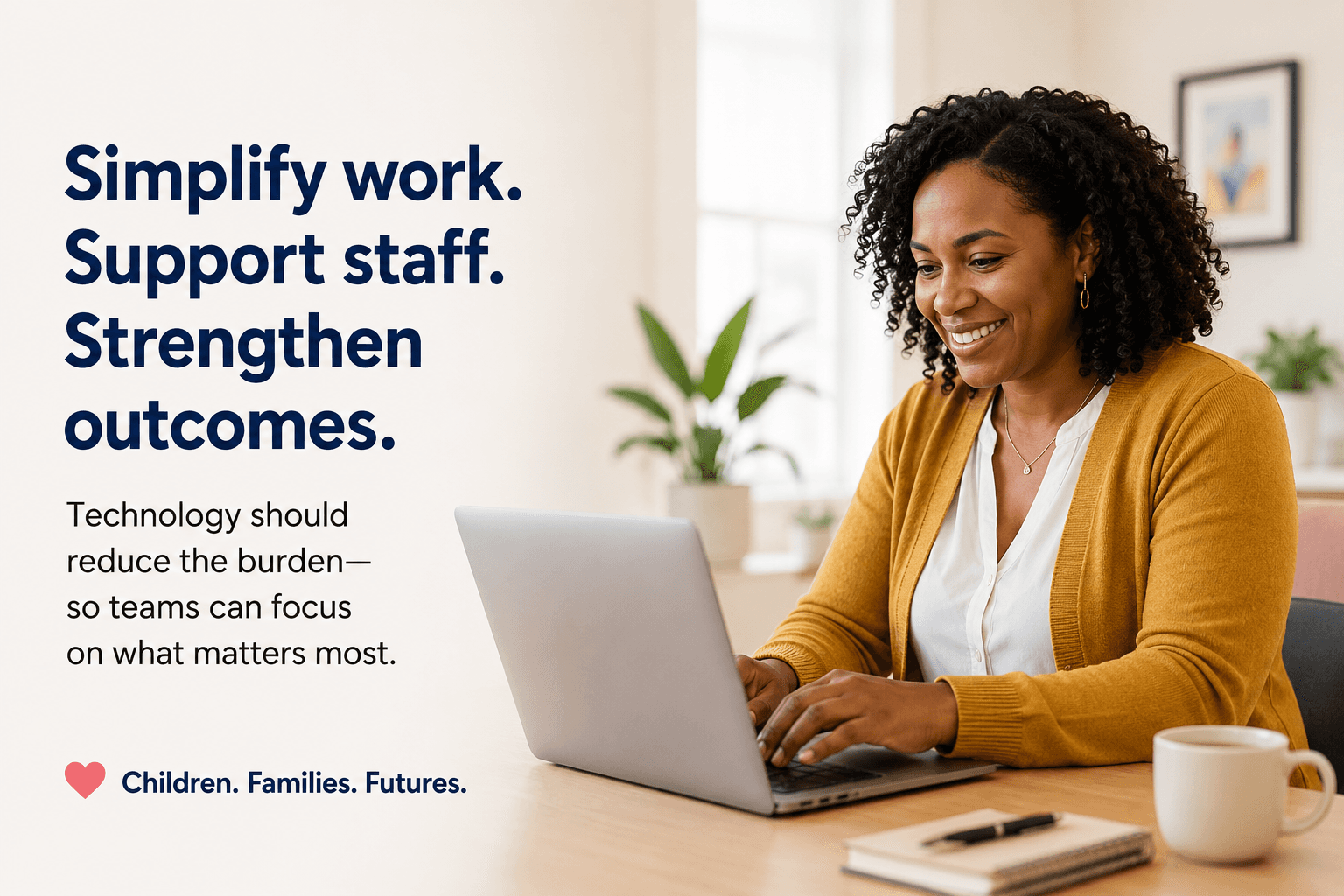
One of the biggest shifts happening across Head Start right now is a growing demand for systems that simplify work instead of adding complexity.
Programs are increasingly looking for technology that helps staff:
Work more efficiently
Communicate more clearly
Access information faster
Reduce duplicate effort
Stay proactive instead of reactive
Spend more time focused on children and families
That’s where integrated systems can make a meaningful difference.
How GoEngage Helps Reduce Daily Friction
At GoEngage, we work with Head Start and Community Action programs every day that are looking for ways to support staff while improving operational efficiency.
While no software can solve every workforce challenge, the right tools can reduce many of the frustrations that contribute to burnout and turnover.
Here are a few ways agencies are using GoEngage to help simplify daily operations:
Centralized Information Reduces Administrative Stress
When staff have to move between multiple spreadsheets, paper files, emails, and disconnected systems, simple tasks become time-consuming.
GoEngage helps bring critical program information into one secure platform—making it easier for teams to:
Access child and family information quickly
Track documentation status
Monitor enrollment and attendance
Manage screenings and health requirements
Review compliance-related tasks
Communicate across departments
Instead of hunting for information, staff can spend more time acting on it.
Automated Alerts Help Teams Stay Proactive
One of the biggest causes of stress in compliance-heavy environments is discovering problems too late.
GoEngage helps programs proactively identify issues through automated alerts and dashboards that support visibility across the organization.
Programs can monitor:
Missing documentation
Attendance concerns
Health and screening timelines
Staff onboarding requirements
Compliance-related deadlines
Follow-up tasks and referrals
This helps reduce the last-minute scrambling that often contributes to “fire drill culture.”
Better Communication Supports Staff & Families
 | Communication challenges can create frustration for both staff and families. GoEngage helps streamline communication through:
|
When communication becomes easier, staff spend less time tracking down information and more time building relationships with families.
Simplified Onboarding Can Help New Staff Succeed Faster
Many agencies are onboarding new staff while simultaneously managing staffing shortages. That creates pressure on leadership teams and existing employees alike. GoEngage helps programs support onboarding efforts with tools that can assist with: |  |
Training tracking
Documentation collection
Staff requirement monitoring
Role-based visibility
Task management workflows
Helping new staff get organized quickly can reduce confusion and improve confidence during those critical first months.
Reducing Burnout Supports the Mission
Head Start professionals do this work because they care deeply about children, families, and communities.
But mission-driven work should not require staff to constantly operate in crisis mode.
When programs have systems that:
reduce administrative burden,
improve visibility,
simplify communication,
and support proactive compliance management,
they create a better experience not only for leadership—but for the entire workforce.
And when staff spend less time managing operational chaos, they can spend more time focused on what matters most: supporting children and families.
The Future of Retention Is Operational Support
Compensation, policy, and workforce investment will continue to be critical conversations across Head Start.
But operational support matters too.
The agencies that will be best positioned for long-term workforce stability are the ones building systems that help staff feel:
supported,
informed,
organized,
and successful in their roles.
Technology alone is not the solution.
But technology that reduces stress, improves efficiency, and supports staff well-being can absolutely be part of it.
And increasingly, programs are recognizing that retention strategies must include both people and systems.
Looking for Ways to Reduce Burnout & Improve Operational Efficiency?
GoEngage helps Head Start and Community Action programs:
Simplify compliance tracking
Improve communication
Streamline onboarding
Reduce duplicate work
Increase visibility across departments
Let’s talk about how your program can build systems that better support staff and leadership alike.


