


From Compliance Task to Quality Improvement Tool: Rethinking Safety Inspections in Head Start Programs
The most effective programs don't just complete inspections. They learn from them.
Every day, programs make intentional decisions to create safe, healthy environments where children can learn and families can thrive.
Behind the scenes, that commitment requires a tremendous amount of work:
Playground safety reviews
Classroom environment checks
Transportation inspections
Emergency drills
Facility maintenance reviews
Equipment inspections
Health and safety monitoring activities
These processes are essential. They protect children, support staff, and help programs meet licensing, regulatory, and federal expectations.
But there is an important question every program should ask: Are we simply completing inspections, or are we using inspections to improve?
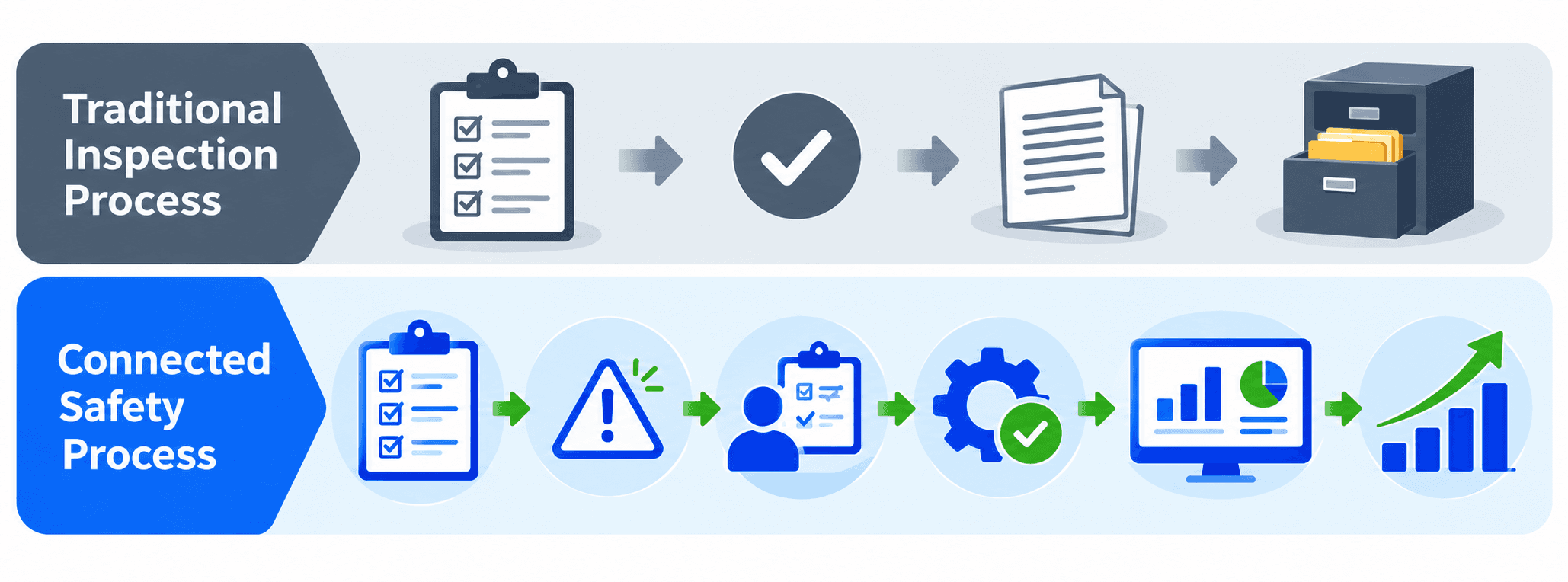
The Challenge: Important Information That Gets Left Behind
Many programs have established processes for completing required inspections. However, those processes are often managed through paper forms, spreadsheets, email reminders, or shared folders.
While these methods may help document that an inspection occurred, they can make it difficult to answer larger program improvement questions:
Are safety concerns increasing or decreasing over time?
Are certain locations requiring repeated follow-up?
Are corrective actions being completed consistently?
Are there patterns that require additional training or resources?
How can leadership identify areas of improvement before they become larger concerns?
The inspection happened. The documentation exists. But the opportunity to learn from the data may be lost.
A Strong Safety Process Goes Beyond Checking a Box
A checklist is valuable because it creates consistency. But a checklist alone does not create improvement.
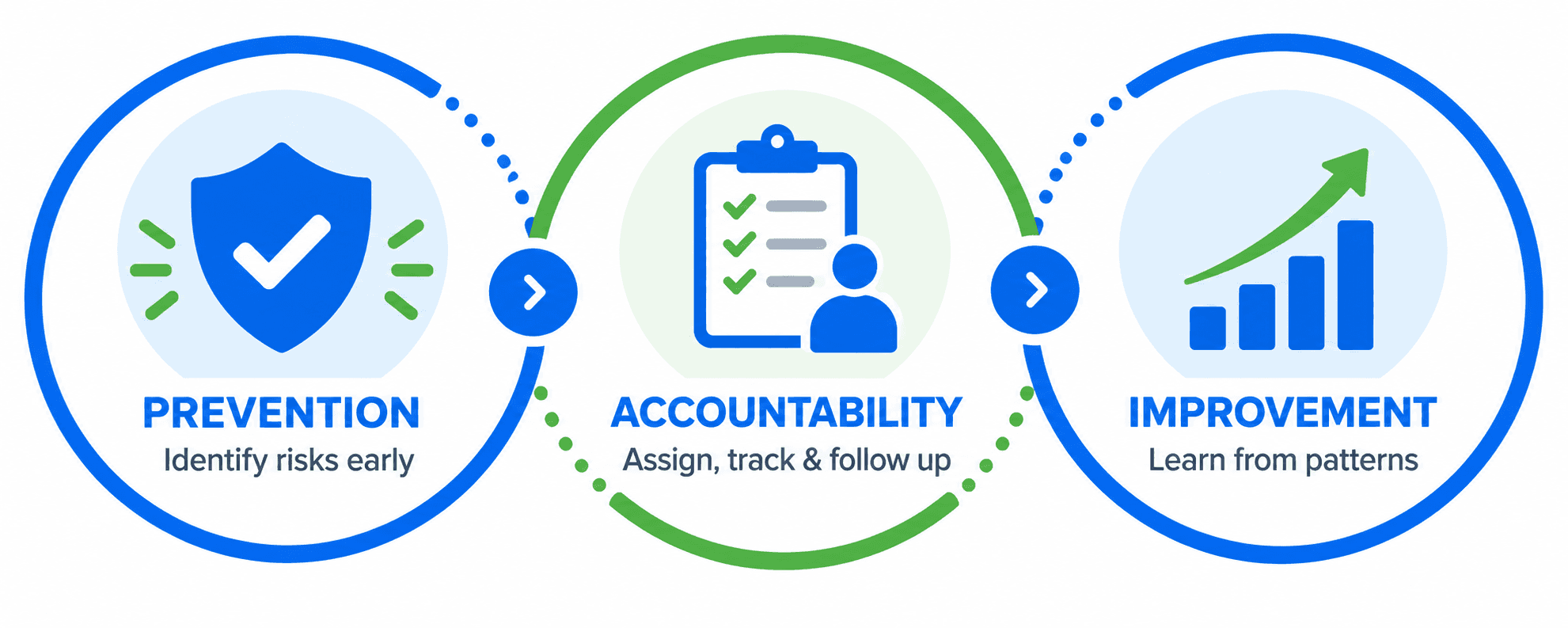
A strong safety management process should provide visibility into three areas:
1. PreventionAre we identifying potential risks before they impact children and staff? Examples:
| 2. AccountabilityAre responsibilities clearly assigned and completed? A successful process should answer:
| 3. ImprovementWhat is the information telling us? Over time, inspection data can reveal opportunities to:
|
This is where compliance activities become quality improvement opportunities.
Building a Culture of Continuous Quality Improvement
Continuous Quality Improvement (CQI) is not just about identifying what went wrong. It is about creating systems that help programs continually learn and improve. Safety inspections are an excellent example of where CQI can become part of everyday operations.
When programs consistently collect and review inspection information, leadership teams gain a clearer picture of:
The goal is not more paperwork. The goal is better information. |  |
Creating a More Connected Safety Management Process
Technology can help programs move from disconnected inspection activities to a more organized and proactive approach.
With GoEngage, programs can create customized inspections, safety checklists, audits, and recurring maintenance schedules based on their unique operational needs. Administrators can define checklist items, assign inspection frequency, configure notifications, and determine who should receive reminders when tasks are generated.
Examples include:
Monthly playground safety reviews
Daily vehicle inspections
Fire and emergency drills
Kitchen safety inspections
Facility maintenance checks
The process also allows programs to maintain organized records, attach documentation directly to property records, and create consistent, audit-ready maintenance documentation.
For programs managing multiple locations, standardizing inspection processes can also help create consistency across centers while allowing leadership to better understand program-wide trends.
The Future of Safety Management
The future of safety management is not about creating more checklists. It is about creating better visibility.
The question is changing from:
“Did we complete our required inspection?”
to:
“What is our inspection data telling us about how we can improve?”
Programs that embrace this mindset can transform safety inspections from a compliance obligation into a strategic tool for protecting children, supporting staff, and strengthening program quality.
The Right Processes, Training, & Strategy
Transforming safety inspections into meaningful quality improvement takes more than completing checklists—it requires the right processes, training, and strategy.
Our Head Start training and consulting services help programs:
Evaluate and strengthen safety inspection processes
Improve accountability and follow-up
Turn inspection data into actionable insights
Support Continuous Quality Improvement (CQI) initiatives
Prepare for licensing and federal monitoring reviews
Whether you're enhancing an existing process or building one from the ground up, our team can help you create a safer, more proactive approach to program quality.
Ready to strengthen your safety management strategy? Contact us to learn how our Training and Consulting team could help your agency.
Final Thought
Every inspection tells a story. A completed checklist tells you that someone looked. A connected inspection process tells you what was found, what changed, and where your program can continue improving. The difference is not the inspection itself. The difference is how your program uses the information.


